
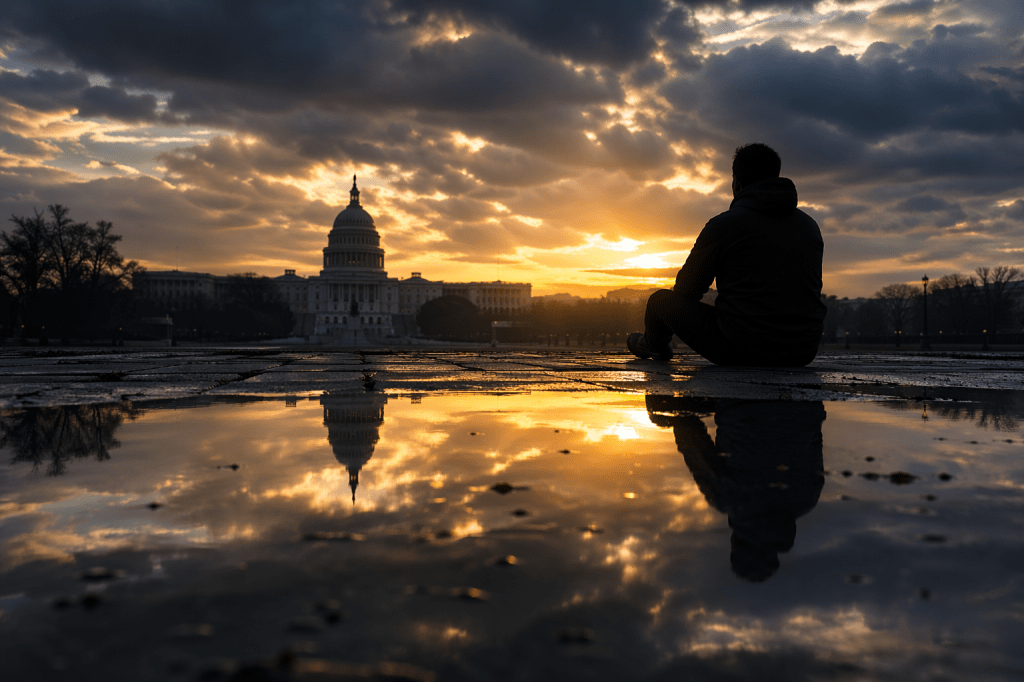
As the United States prepares to celebrate its 250th anniversary, the country is once again choosing spectacle over truth, symbolism over humanity, and pride over accountability.
For 250 years, this country has perfected the art of celebration while avoiding the burden of truth.
This year, America will mark its 250th anniversary with exactly the kind of performance many of us have come to expect. Flags. Fireworks. Monumental language about freedom. Official appeals to unity. Branded patriotism. Public calls to come together as one people. America250 is promoting “Moments that Unite a Nation,” while the White House is framing the anniversary as a celebration of “the greatest political journey in human history” and inviting Americans to recommit themselves as “One Nation Under God.”
That is precisely the problem.
The Real Issue Is Not Celebration
The issue is not that America wants to celebrate itself. Every nation does that. The issue is that this country continues to demand reverence while resisting honesty. It wants the emotion of unity without the discipline of truth. It wants the symbolism of freedom without the accountability of confronting those who were denied it, those who built this country without rights, and those who still live under the weight of its contradictions.
And this hypocrisy is not trapped in the past. It is alive right now.
To be clear, the country has changed in law and in who can claim rights and citizenship. Those gains matter. But legal progress is not the same as moral transformation. A nation can expand rights on paper and still cling to the same old habits of selective memory, selective belonging, and selective compassion.
The Celebration Is Happening Alongside Historical Erasure
The same political culture calling for collective pride in 2026 is also actively reshaping public memory. The Department of Education has moved to eliminate DEI references and related materials from public-facing channels. Federal history and cultural content tied to figures such as Harriet Tubman, the Underground Railroad, the Navajo Code Talkers, and Jackie Robinson has also become part of a broader fight over what parts of the national story are acceptable to tell.
That is not unity. That is curation.
It is the same old American instinct. Preserve the symbol. Manage the memory. Keep the story clean enough to celebrate.
The Founding Myth Still Requires a Sanitized Story
That is what makes this anniversary ring hollow. The nation wants to honor its founding while still refusing to tell the truth about what that founding was. It wants to praise liberty while speaking less honestly about slavery, Indigenous dispossession, racial hierarchy, and selective citizenship. It wants to celebrate independence while avoiding the harder question of independence for whom.
The pattern is familiar because it never really ended. The country still prefers a polished founding narrative over a morally complete one.
The Present-Day Contradictions Are the Point
And the contradictions do not stop at history.
This same country that wants speeches about freedom is carrying out an immigration regime that has swept up U.S. citizens as well as noncitizens. Reporting has documented cases in which American citizens were detained by immigration agents. Deaths in ICE custody also remain an ongoing reality, and the existing oversight system has not prevented them.
So what exactly are we celebrating? A nation committed to liberty. Or a nation still willing to treat human beings as collateral while wrapping itself in the language of law, order, and patriotism.
Faith Is Being Used as Cover
The hypocrisy becomes even more glaring when the country starts talking about faith. The White House’s 250th-anniversary messaging is openly infused with religious language, and broader reporting has documented anniversary-related events that critics say carry Christian nationalist overtones.
Yet this same political environment has normalized cruelty, humiliation, and public moral posturing without any real moral consistency. It is hard to take sermons about national virtue seriously from leaders and movements that invoke Christianity in public while defending conduct that violates every value they claim to represent.
Veterans Are Honored as Symbols, Not Supported as People
And then there are the veterans.
No country is more fluent in military symbolism than the United States. It knows how to drape itself in uniforms, flyovers, salutes, halftime tributes, and ritual gratitude. It knows how to say “support the troops.” It knows how to turn veterans into living symbols of sacrifice and national virtue.
But when it comes to actual support, the record is far less noble.
A recent GAO report found that from 2020 through 2024, about 174,000 eligible veterans were not referred to a HUD-VA supportive housing program, and the VA failed to document the reason in most cases. Reporting has also shown the Veterans Crisis Line under stress amid broader staffing turmoil and service strain.
That is the pattern. America reveres the symbol of service more consistently than it supports the human being who served.
Even Veteran Protections Are Vulnerable
Even veteran employment protections are not immune to this double standard. Veterans’ preference in federal employment still exists in law, but veterans have been disproportionately exposed to federal workforce cuts because they make up such a large share of the federal workforce. At the same time, the administration has backed moves that weaken labor protections across major parts of the federal government, including the Department of Veterans Affairs.
So when politicians stand at podiums and praise service, what are they really honoring? The veteran. Or the usefulness of the veteran as patriotic imagery.
This Is Bigger Than One Anniversary
That question matters because it exposes the larger fraud at the heart of this anniversary. The United States does not simply celebrate itself. It edits itself. It trims away the suffering, the exclusions, the contradictions, and the people who complicate the myth. It asks for pride while withholding honesty. It asks for unity while practicing selective belonging. It asks to be admired as a moral nation while still behaving like one that values symbolism over human beings.
That is why this 250th anniversary feels less like a celebration and more like a test.
What This Anniversary Really Reveals
Can a country celebrate itself honestly while it is still erasing history? While it is still sweeping up citizens in immigration dragnets? While people continue to die in detention? While veterans are thanked in public and failed in practice? While patriotism is used as a shield against accountability? While Christian language is used to bless policies and behavior that degrade human dignity?
If the answer is no, then what remains is not remembrance. It is performance.
The Truth Beneath the Fireworks
Two hundred and fifty years after its founding, America has better branding, better staging, and more polished language. But it still has not broken from the moral habits that shaped its beginning. It still wants credit for its ideals while resisting accountability for its conduct. It still prefers the flag to the fact, the slogan to the truth, and the symbol to the human being.
That is why this celebration feels hypocritical.
Not because America has a dark past. Every nation does.
It feels hypocritical because this country is still reenacting the same moral evasions in the present while demanding to be celebrated as though it has already transcended them.


Leave a Reply