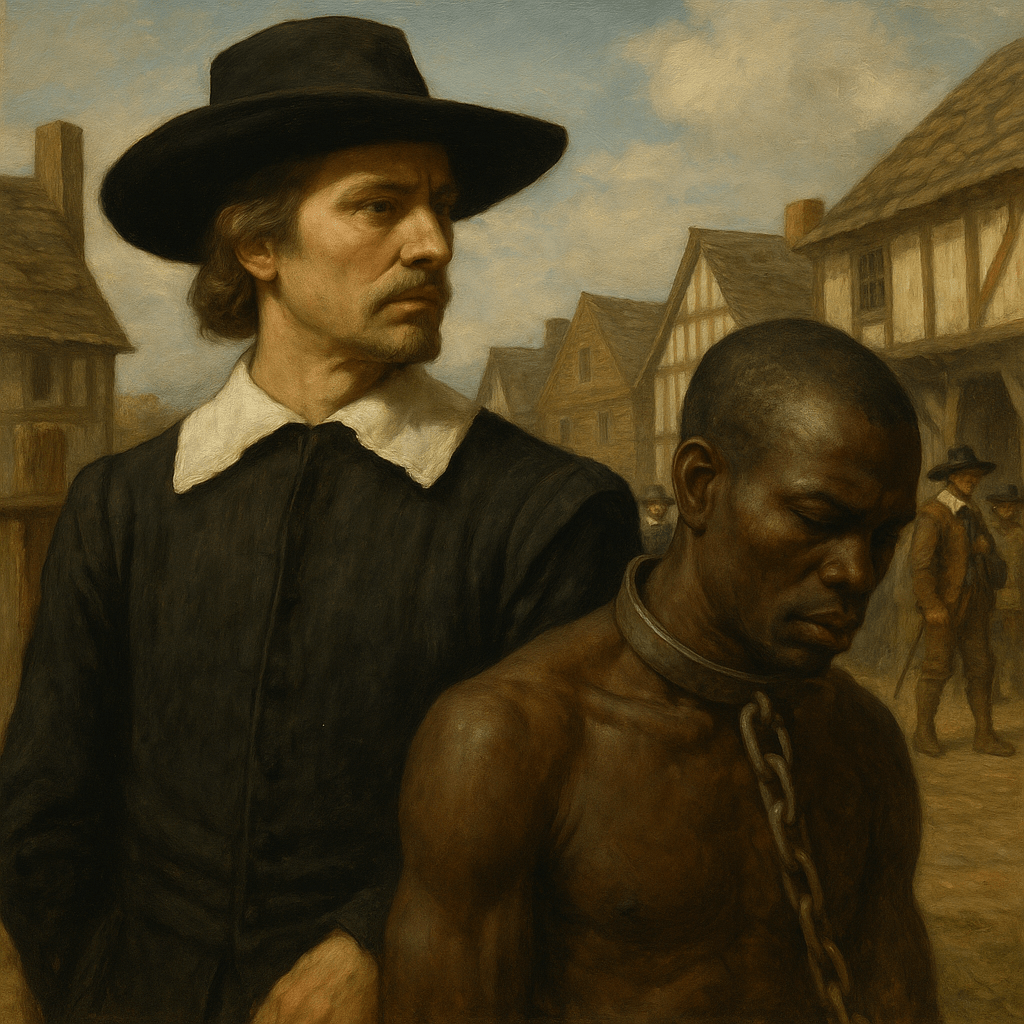
If you think “whiteness” is some natural, ancient identity, think again. Europeans didn’t call themselves “white” until roughly the 1600s. Before that, identity was defined by religion, ethnicity, and nationality, rather than skin color. The idea of whiteness as a racial identity wasn’t some timeless truth. It was invented to justify colonialism, slavery, and a system of power that still shapes the world today.
Identity Before Whiteness
For centuries, Europeans identified themselves primarily by religion, such as Catholic, Protestant, or Orthodox, or by their nationality or ethnicity, including French, English, German, Slavic, Celtic, and so on. Medieval and Renaissance Europe was a patchwork of kingdoms, languages, and religions constantly fighting for power. The idea of a unified European “white” identity would’ve been absurd.
The word “white” existed, but it didn’t have the same meaning it has today. It wasn’t a racial category or a marker of collective identity. Race as a biological or fixed social category simply didn’t exist in the way we understand it now.
The Shift in the 1600s: Colonialism and the Birth of Racial Whiteness
So, what changed in the 1600s? Why did “whiteness” suddenly become a thing?
The rise of European colonialism and the transatlantic slave trade marked the turning point. Europeans were expanding overseas, encountering Indigenous peoples in the Americas and Africa who looked and lived differently. To justify conquest, exploitation, and especially the enslavement of Africans, Europeans developed new categories based on skin color.
Whiteness emerged as a social and political identity, a way to claim superiority and justify brutal exploitation. It wasn’t about biology but about maintaining power. Being “white” meant having the legal and social privileges to own land, control labor, and dominate others.
Laws That Cemented Whiteness
This racial identity wasn’t just a social construct; it was enforced through law. British colonies in North America passed some of the earliest laws explicitly defining who counted as white and linking whiteness to rights such as voting, property ownership, and legal protections.
- In Maryland (1681), laws prohibited freeborn English or “white” women from marrying enslaved Africans, marking one of the first legal uses of “white” as a racial classification to segregate society by race.
- Virginia’s 1691 law banned marriages between “Negroes, mulattos, and Indians” and “English or other white women,” further entrenching whiteness as a legal and social boundary.
- The Virginia Slave Codes of 1705 codified enslaved Africans and their descendants as property and denied them basic rights, while affirming the privileges of “free white” persons.
These laws created a rigid racial hierarchy designed to divide and control. Poor white indentured servants, for example, were given privileges over Black enslaved people regardless of their economic status. This was a deliberate strategy to prevent unified resistance and maintain elite control by pitting lower-class whites against Black people.
Whiteness Is a Construct, Not a Fact
Understanding this history destroys the myth that whiteness is natural or fixed. It’s a political and economic invention, created to uphold systems of power and exploitation. The legacy of that invention continues to shape systemic inequality and social division today.
Whiteness is often invisible to those who benefit from it; it’s presented as the “default” human identity, while everyone else is “othered.” That invisibility is part of its power.
Why This Matters Now
Recognizing whiteness as a construct doesn’t erase anyone’s identity or experiences. It’s about understanding how power works and who it serves. The real “owners” of this country and many others have long relied on racial and social divisions to keep control. They don’t want an educated population capable of critical thinking or solidarity. They want followers who accept their place in the hierarchy.
When you hear people talk about “white identity” or “white pride,” remember: It’s not about ancient roots. It’s a product of a violent history designed to maintain inequality and control.
The Road Ahead
If we want real change, we have to see through these lies. We need to recognize racial categories for what they are, tools of division, and dismantle the systems they protect.
That starts with education. Not the watered-down, obedience-focused kind, but honest education that teaches history, critical thinking, and the truth about power.
Until then, anyone who challenges these systems won’t just be called a troublemaker, they’ll be branded un-American or unpatriotic, a weaponized label meant to silence dissent and isolate those who question the official narrative. But that’s precisely the role critical thinkers and truth-tellers need to embrace.
 GANA
GANA 
Leave a comment