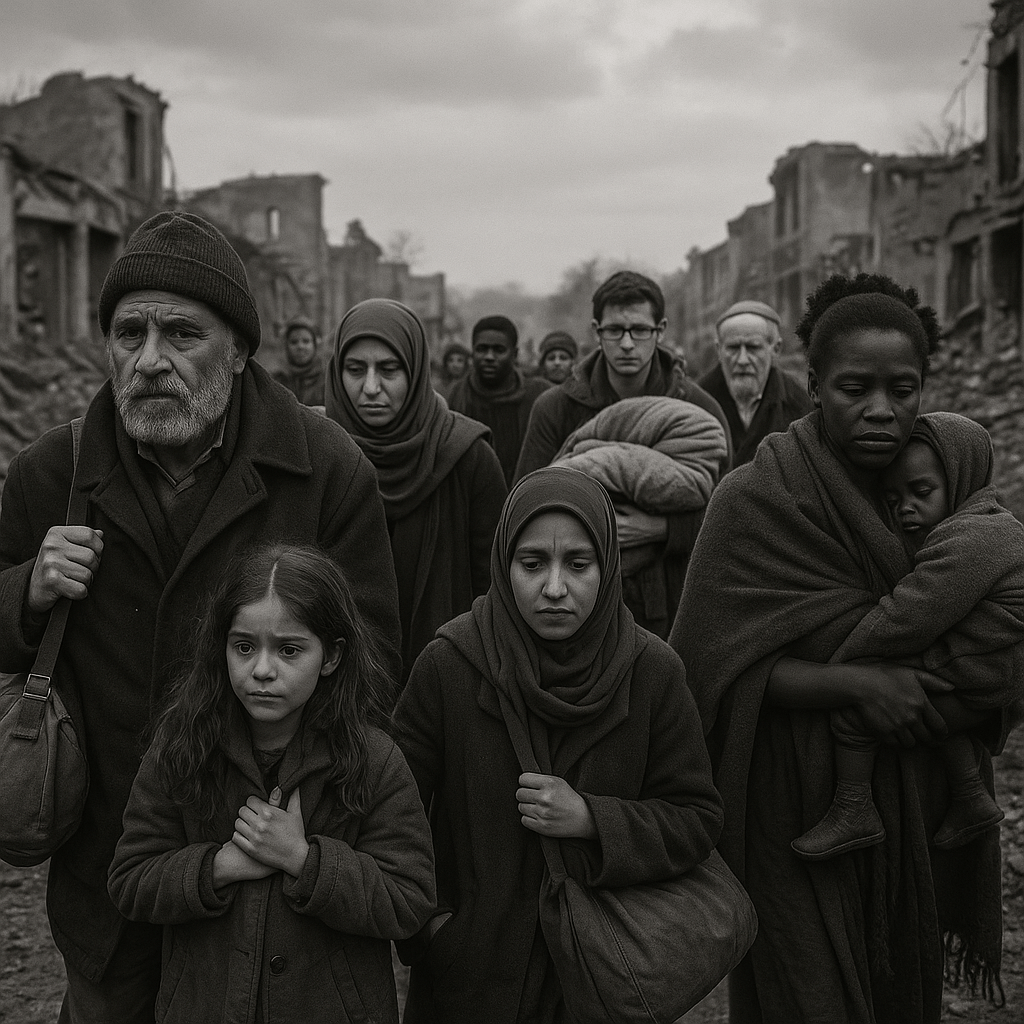
Ethnic cleansing is a brutal and deliberate process aimed at removing or eradicating an ethnic, religious, or cultural group from a particular territory. It often involves forced displacement, intimidation, violence, and systemic policies designed to erase the presence of that group from a region. Unlike genocide, which seeks the complete physical destruction of a group, ethnic cleansing primarily focuses on forced removal and cultural erasure.
These acts are not isolated to distant history or foreign lands. The patterns of ethnic cleansing have repeated across time and place, leaving deep scars on societies and generations. Understanding these patterns is critical not only to remember the victims but to recognize warning signs wherever they may quietly emerge.
Throughout modern history, several regimes and countries have engaged in ethnic cleansing with devastating consequences:
- The Balkans (1990s): During the breakup of Yugoslavia, ethnic cleansing became a widespread tactic, especially in Bosnia and Herzegovina. The intent was to create ethnically homogeneous territories through mass expulsions, killings, and terror campaigns.
- Rwanda (1994): The genocide against the Tutsi was accompanied by systematic efforts to forcibly remove populations, destroy communities, and erase the Tutsi presence in certain areas.
- Myanmar (2010s): The Rohingya Muslim minority faced brutal campaigns involving killings, rape, and forced displacement at the hands of Myanmar’s military, widely recognized as ethnic cleansing.
- Darfur, Sudan (2000s): The government-backed militia carried out massacres and displacements targeting non-Arab ethnic groups, displacing millions.
- Native Americans (16th century onward): In what is now the United States, indigenous peoples endured centuries of forced removals, broken treaties, violence, and policies aimed at erasing their cultures and presence from ancestral lands. The Trail of Tears, Indian Boarding Schools, and relentless land seizures are stark examples of systematic ethnic cleansing carried out through state policy and settler expansion.
- Jews in Europe (20th century): The Holocaust orchestrated by Nazi Germany was the industrial-scale attempt to annihilate Jewish people from Europe. Though genocide is the most accurate term, this involved ethnic cleansing tactics such as forced ghettos, deportations, and mass murder, erasing Jewish communities.
- Palestinians (20th century to present): Palestinians in Gaza and elsewhere have experienced displacement, military occupation, restrictions on movement, and destruction of homes and communities. These actions reflect ongoing ethnic cleansing efforts aimed at removing Palestinians from their historic lands.
These cases share common patterns: systematic state or quasi-state violence, legal and social exclusion, and efforts to erase the identity and presence of targeted groups. The scars of ethnic cleansing run deep, fracturing societies, breeding long-term instability, and leaving generations scarred by trauma.
When Does Ethnic Cleansing Actually End?
Ethnic cleansing is not just a moment in time, it’s often a process that leaves lasting legacies. Official violence and forced removals may stop, but the aftermath can persist for generations in many forms:
- Legal and political exclusion: Targeted groups often remain marginalized through discriminatory laws, denied rights, and systemic neglect long after displacement ends.
- Cultural erasure: Destroying languages, traditions, and histories can create generational trauma that doesn’t simply vanish with the cessation of violence.
- Socioeconomic impacts: Lost lands, livelihoods, and opportunities take decades or longer to recover, if ever fully.
- Intergenerational trauma: The psychological scars of displacement, violence, and exclusion are passed down, shaping identity and community cohesion long after.
For many indigenous communities in the U.S., the end has not come. Forced removals and broken treaties centuries ago were only the beginning of ongoing struggles for sovereignty, recognition, and justice. The fight to reclaim land, preserve culture, and heal wounds remains alive.
Ending ethnic cleansing requires more than just halting overt violence; it demands confronting and repairing the systemic injustices that follow. Recognizing these patterns is not simply academic; it is a call to vigilance. Because history shows that the warning signs often emerge quietly, before the worst unfolds. Our collective responsibility is to listen closely, learn, and act before history repeats itself.
 GANA
GANA 
Leave a comment